Tuesday, September 15, 2015

Total Knee Replacement in New Delhi

INNOVATIONS IN TOTAL KNEE REPLACEMENT
MINIMALLY INVASIVE


Knee replacement is a surgical procedure that decreases pain and improves the quality of life in many patients with severe knee arthritis. Typically patients undergo this surgery after, non-operative treatments (such as activity modification, anti-inflammatory medications or knee joint injections) have failed to provide relief of arthritic symptoms. There have been many advances in techniques, implant design, and manufacturing over the past 20 years. One of the current trends is the use of minimally invasive surgical techniques. Traditionally knee replacements were performed through 8- I 0-inch incisions. Currently, they can be safely performed using incisions 4-5 inches in length. The ability to perform the same operation through a smaller incision requires the use of modified instruments and some experience on the


Traditional total knee replacement

Traditional total knee replacement involves a roughly 8” incision over the knee and a hospital stay of 3-5 days. The recovery period (during which the patient walks with a walker or cane) typically P lasts from one to three months. The large majority of patients report substantial or complete relief of their arthritic symptoms once they have recovered from a total knee replacement. 

Minimally-invasive quadriceps-sparing total knee replacement

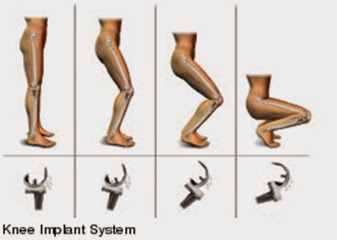
Minimally-invasive quadriceps-sparing total knee replacement is a new surgical technique that allows surgeons to insert the same time-tested reliable knee replacement implants through a shorter incision (4"-S" in length) using a surgical approach that avoids trauma to the quadriceps muscle (see figure). Quadriceps is the most important muscle group around the knee and this new technique is also called quadriceps-sparing knee replacement.

The main potential benefits of this new technique include: 

  • More rapid return of knee function. Patients who go this procedure seem to get muscle strength and control back more quickly than patients who have had the traditional total knee replacement, often permitting patients to walk a cane within a couple of weeks of surgery or even earlier. 
  • Smaller incision. While this procedure would not be worth performing for cosmetic benefits many patients do prefer the shorter incision. 
  • Decreased postoperative pain. This may be a function of the smaller incision and the fact that the incision stays out of the important quadriceps muscle/tendon group. 
  • Same reliable surgical implants as Traditional Knee Replacement. Minimally-invasive quadriceps-sparing total knee replacement is an evolution of surgical technique which permits the use of same 

Dr. Biren Nadkarni is one of the best knee replacement surgeons in Delhi. Dr. Biren Nadkarni has been trained as an orthopedic surgeon. He has 15 years of surgical orthopedic specialization, arthroscopies knee, shoulder, elbow, ankle and joint replacements.


Wednesday, July 15, 2015

Myths and Facts Total Knee Replacement


Myths and Facts Total Knee Replacement

I am too young for knee replacement

Recommendations for total knee replacement are based on the patient's pain and disability. If medicines, change of lifestyle and use of walking supports is not helpful you may want to consider total knee replacement. Today's super-metals make artificial joints last longer than ever before. When performed properly, Knee Replacement can be expected to last I5 - 20 years.

I am too old for knee replacement? 

Knee Replacement is safe and successful at any age. With modern anesthesia, improved pain control measures, and the skill of experienced joint replacement surgeons, there is no point in living with the pain. Often times, a patient is actually fearful about the uncertainty of surgery. Yet many of these same patients often wish they had done it sooner

I should wait as long as possible to undergo knee replacement surgery? 

Many patients who could benefit greatly from a knee replacement wait too long. Delaying surgery lowers a patient's' quality of life not only before the operation but even for up to two years following surgery according to a study in Arthritis & Rheumatism. Osteoarthritis is a degenerative disease that continues to damage the joint and delaying surgery makes both surgeries and return to activity more difficult.

I am too overweight? 

For people with knee arthritis, it's almost impossible to lose weight when even simple walking is too painful. In fact, it's much easier to exercise and lose weight when Knees are pain-free after a Knee Replacement.

I may take too long to recover?

Patients are usually allowed to walk on the 2nd day after surgery. Discharge from the hospital is around the 7th day. Healing and recovery after Knee Replacement are generally complete in 3 months. However, delaying surgery may compromise the result of the successful operation for up to 2 years following the surgery.

best ortho surgeon new delhi


It works only for a few years. 

Modern Knee implants last for about 15 years and more in most cases. But, in some cases, poor quality bones or improperly fitted implant, an artificial knee can fail earlier, requiring a second surgery sooner than expected.
Xray after Total Knee Replacement


Total knee replacement, sounds scary?

The name total knee replacement is a misnomer.In the ‘total knee replacement’ surgery, the knee is not replaced, it is only ‘resurfaced’. The normal knee has an articular cartilage that covers the knee bones. In an arthritic knee, the cartilage covering the bone ends is destroyed leading to the bone rubbing against bone. During surgery, only the surface of the bony ends are shaved off in a sequential manner and caps are put on top damaged bone ends; one each on the femur, tibia, and patella. The artificial smooth caps rub against each other.

Tuesday, April 28, 2015

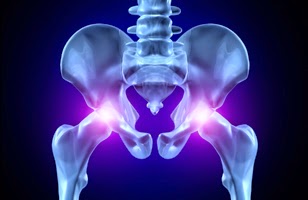
Hip Replacement New Delhi


                                              Hip Replacement New Delhi


Hip replacement symptoms
  • stiffness in Joint occurs when getting out of your bed 
  • stiffness in Joint sit after for a long time 
  • Any swelling, pain, and tenderness in the your hip joint 
  • A sound or feeling like crunching of bone or while rubbing against bone 
  • Unable to move the hip for doing activities (such as putting on your socks) 
  • Bone,injury,fracture, and tumors also may lead to pain in hip joint

There are many types of hip replacement in our hospitals some of them is listed below: 
  • Double hip replacement 
  • Posterior hip replacement 
  • post hip replacement 
  • ceramic hip replacement 
  • Partial hip replacement 
  • Bipolar hip replacement 
Double hip replacement

Replacement of double hip at same time.But it will done only the patient recovery capability.First hip is done then other there will be good plan for doctors before surgery .


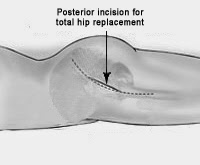
Posterior hip replacement

Posterior hip replacement is widely used by ortho surgeon. Posterior hip replacement have strong record of success.Posterior hip replacement have low complication rate.


Post hip replacement


hip_precaution_1.jpg

It is similar to Posterior hip replacement.


Hip replaced by ceramic Ceramic on plastic (UHMWPE), ceramic on ceramic are good examples for it.

Partial hip replacement
Partial hip replacement is also called hip hemiarthroplasty.
Is a surgical procedure where only the ball of leg bone damaged in the hip joint is replaced.
In partial hip replacement, the socket is not replaced.

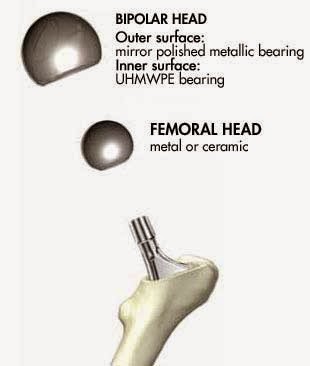
Bipolar hip replacement


Replacement for femoral neck and head, an acetabular cup that is not attached to pelvis it fits into the existing acetabular cup.

Hip replacement recovery and exercises
Hip_replacement.jpeg


After hip replacement, the patient should do some small exercises contracting and releasing muscles in your legs, ankle, and buttocks. Movement of hips is restricted, it is very important you should do exercises in front of a therapist.

Your physical therapist and surgeon will discuss your hip replacement exercises. The first day itself you should work with a physical therapist. Driving is not allowed for 3-6 weeks you should find another way reach hospital. Recovery time for a total hip replacement is four to six weeks. Surgical wounds and internal soft tissues need long-term recovery for healing it completely.

Hip replacement recovery timeline is about one week and patient recovery capability.


Joint & Bone solution is the one of the best Hip Replacement Delhi


For more details contact us:www.drbirennadkarni.com


http://www.drbirennadkarni.com/contact-us/


Thursday, March 12, 2015

KNOW MORE ABOUT RHEUMATOID ARTHRITIS


KNOW MORE ABOUT RHEUMATOID ARTHRITIS 

Rheumatoid arthritis or RA is an autoimmune disease in which the body's immune system will attack the normal joint tissues, and cause the inflammation of the joint lining.
The Rheumatoid arthritis usually affects people of all ages and may begin in the middle ages. The Rheumatoid arthritis may usually affect the joints on both sides of the body and can become chronic and disabling condition without the proper treatment.


The Rheumatoid arthritis may affect in different joints. In some people, it may affect different parts of the body other than the joints, including the eyes, blood, the lungs, and the heart. 

Symptoms of Rheumatoid arthritis:

The main symptoms of the Rheumatoid arthritis are pain and stiffness of the affected joints.The other symptoms are:
  • Swelling in joints.
  • Red and Puffy Hands.
Effects of Rheumatoid arthritis :

It can cause joint inflammation, which affects the ability of the daily activities. The other effects of the Rheumatoid arthritis are, 
  • Tendons become inflamed
  • Swelling
  • Erosion of the bones 
How is rheumatoid arthritis (RA) diagnosed? 

If there are continuous discomfort and swelling in multiple joints on both sides of the body,it is better to a doctor as soon as possible. Early diagnosis and treatment can help to slow the disease progression. 

The blood tests and the x-rays will also diagnose rheumatoid arthritis. 

Dr.Biren Nadkarni is one of the best orthopedic surgeons who have more than 15 years of experience in the field of arthritis treatment. 


For more details contact us:


www.drbirennadkarni.com
drbirennadkarni@gmail.com

Wednesday, February 11, 2015

ACL INJURY: Does it require surgery?


ACL INJURY: Does it require surgery?


The ACL is the Anterior Cruciate Ligament. The ACL is one of the most commonly injured ligaments of the knee. The anatomy of the ACL is like that:

The bone structure of the knee joint is formed by the femur, the tibia, and the patella. The ACL is one of the four main ligaments within the knee that may connect the femur to the tibia.


http://www.drbirennadkarni.com/conditions/athroscopy/acl-reconstruction/

The knee is essentially a hinged joint that may hold together by the medial collateral, lateral collateral, anterior cruciate (ACL) and the posterior cruciate ligaments. The ACL may runs diagonally in the middle of the knee, preventing the tibia from sliding out in front of the femur, providing the rotational stability to the knee.

The weight-bearing surface of the knee may be covered by a layer of the articular cartilage. On either side of the joint, between the cartilage surfaces of the femur and tibia, there will be medical meniscus and the lateral meniscus. The menisci will act as shock absorbers and will work with the cartilage to reduce the stresses between the tibia and the femur.

http://www.drbirennadkarni.com/conditions/athroscopy/acl-reconstruction/


Nonsurgical treatment for ACL Injury:

In the nonsurgical treatment, the progressive physical therapy and the rehabilitation will restore the knee to a condition close to its pre-injury state and will educate the patient on how to prevent the instability. This may be done with the use of a hinged knee brace.Nonsurgical treatment will be successful with patients having:

* Partial tears and no instability symptoms.
* Complete tears and no symptoms of knee instability during low-demand sports who are willing to give up the high-demand sports.
* Light manual work or live sedentary lifestyles.
* Growth plates are still open.

Surgical treatment for ACL Injury:

Surgical treatment is usually advised when dealing with the combined injuries.The ACL tears are not usually repaired using the suture to sew it back together,because the repaired ACLs have generally been shown to fail over the time.So, the ACL will be generally be replaced by a substitute graft made of tendon.

The grafts that are commonly used to replace the ACL include:
  • Patellar tendon autograft (autograft comes from the patient)
  • Hamstring tendon autograft
  • Quadriceps tendon autograft
  • Allograft (taken from a cadaver) patellar tendon, Achilles tendon, semitendinosus, gracilis, or posterior tibialis tendon
Joint & Bone Solutions may provide the best ACL Reconstruction treatment.Dr.Biren Nadkarni is one of the best Orthopaedic & Joint Replacement Surgeon who may have well-known experience. For more details contact us:


drbirennadkarni@gmail.com
http://www.drbirennadkarni.com

Thursday, December 4, 2014

Joint Pain And Replacement Surgery


Joint Pain And Replacement Surgery


Every joint makes the connection with the Bone. Joints make the ability to move provides the support. Any injury or damage may lead to the pain in the joints i.e the joint pain. Knee pain was the most common complaint that may further lead to hip pain and the shoulder pain. And the Joint pain may affect any parts of the body. As become old, the joint pain may get increased. Arthritis is considered as a form of joint disorder that causes changes or the inflammation in one or more joints. The most common form of arthritis is degenerative arthritis (osteoarthritis). Generally, osteoarthritis is larger and smaller joints of the body such as hands, hip, and knee. The osteoarthritis is generally acquired because of the wear and tear of joints and may also due to the injury. Replacement Surgery includes the process of replacing the ends of both bones in a damaged joint to create new joint surfaces. Generally, the replacement surgery includes the joint replacement, knee replacement, shoulder replacement and hip replacement.


 http://www.drbirennadkarni.com

Joint Replacement Treatment:

The total joint replacement surgery involves the procedure to replace the ends of both bones in a damaged joint to create a new joint surface. Joint replacement is mainly done for pain relief. The surgery procedure includes the process of removing the painful and damaged joints and may be replaced with the plastic or the metal implants. The benefits of the Joint replacement is the smooth and improved functioning of the Joints. After the Joint replacement surgery, people can walk more easily and can play well.

http://www.drbirennadkarni.com


Knee Replacement:

Knee replacement is done for the people over age 50 and also have severe osteoarthritis. During the Knee replacement surgery, the damaged part of the joint is getting removed or separated from the surface of the bone and the surface is then shaped to hold an artificial metal or plastic joint in order to make the knee more active. The knee replacement surgery may relieve the pain and disability that affecting the knee. The knee replacement can be performed as partial or total knee replacement.

Hip Replacement:

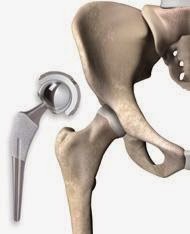
The hip replacement procedure is the surgical procedure in which the infected hip joint is get replaced with metal, ceramic, or plastic parts. Hip replacement can also be performed as a partial or total replacement. The hip replacement surgery may relieve the pain or the fractures. Hip replacement will relieve the pain and improves the hip function. Total hip replacement will replace the damaged cartilage with a new joint material.
http://www.drbirennadkarni.com
 Shoulder replacement:

Shoulder replacement involves the surgical procedure in which the shoulder joints will get replaced with the ends of the damaged upper arm bone (humerus) and usually the shoulder bone (scapula) or cap them with artificial surfaces lined with plastic or metal and plastic. Shoulder replacement will relieve the shoulder pain and improves the functioning.


Dr.Biren Nadkarni is one of the best orthopedic surgeons who may have more than 15 years of experience in the field of joint replacement.

For more details visit us
 www.drbirennadkarni.com
http://www.drbirennadkarni.com

Monday, October 20, 2014

Pain Control After Knee Replacement

knee replacement surgery is done to replace the weight-bearing surface of the knee joint to relieve pain and disability in patients suffering from osteoarthritis. Many people across the world go through this painful procedure annually, but most of them are not equipped with the information necessary to make the post-surgery period easier. Postoperative pain may leave some patients initially questioning why they underwent the operation.


"All patients undergoing total knee replacement will experience pain; our challenge is to reduce the pain to a satisfactory level in the post-operative  period"

Multimodal pain control starts before surgery wherein the patient is administered drugs like iv paracetamol and pregabalin. Pain control works best when started before the procedure as it prevents the beginning of pain sensation from the very start.


Most knee replacements are performed under spinal anesthesia or combined spinal-epidural anesthesia where the anesthetic drugs are delivered through catheterin the spine region to numb both the legs. The catheter is kept inserted in the spine for approximately 18 to 24 hours after the surgery to give additional pain relieving drugs in the post-surgery period. This catheter can be continued for 2to 3 days to allow controlled delivery of local anesthetic drug and for continued pain control.

Along with painkillers, drugs to control nausea and vomiting are also used to make the patient comfortable in the post-operative period. Sometimes the surgeon might also inject a combination of local anesthetic, antibiotics, steroid and opioid painkiller in the joint region for local pain relief

The Right Pain Control Can Help
  • You to be more comfortable
  • You to get back to your normal routine
  • Promote healing

Multimodal pain management reduces pain after surgery, reduces the need for opioid painkillers and therefore reduces their side effects. It improves functional recovery with greater patient satisfaction. This also helps you participate to the best of your ability in your physical therapy program so that you have a joint that functions well. Since the surgeon and the anesthesiologist both play a very important role in this plan, discuss with your clinician the pain management plan that's right for you

For More Details

http://www.drbirennadkarni.com/
Gmail : drbirennadkarni@gmail.com